Local cuisine cooking classes in Bali: Discover the Flavors of the Island
Overview of Local Cuisine Cooking Classes in Bali
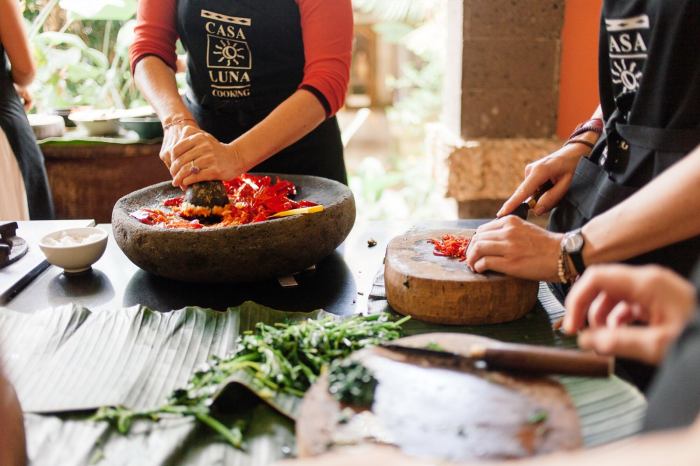
Local cuisine cooking classes in Bali offer a unique opportunity for visitors to immerse themselves in the rich culinary traditions of the island. These classes provide hands-on experience in preparing traditional Balinese dishes while learning about the cultural significance of each ingredient and cooking technique.
Traditional Balinese cuisine holds a special place in the culinary world due to its use of fresh ingredients, aromatic spices, and intricate cooking methods. The blend of flavors in Balinese dishes reflects the island’s diverse cultural influences, including Indian, Chinese, and Indonesian culinary traditions.
Significance of Traditional Balinese Cuisine
Traditional Balinese cuisine is not only known for its delicious flavors but also for its holistic approach to cooking, which emphasizes the balance of flavors, textures, and colors. Balinese dishes often incorporate a variety of herbs, spices, and fresh vegetables, making them not only tasty but also nutritious.
Popularity of Cooking Classes as a Tourist Attraction
Cooking classes have become a popular tourist attraction in Bali as they offer a unique way to experience the local culture and traditions. Visitors can learn to cook authentic Balinese dishes from experienced chefs and take home new skills and recipes to share with family and friends.
Traditional Balinese Dishes
In Balinese cuisine, you will find a rich variety of traditional dishes that showcase the unique flavors and culinary heritage of the region. These dishes are often prepared using fresh ingredients sourced locally, reflecting the vibrant culture and traditions of Bali.
Popular Traditional Balinese Dishes
- Babi Guling: This is a famous Balinese dish consisting of spit-roasted suckling pig seasoned with a mixture of turmeric, coriander seeds, lemongrass, black pepper, garlic, and shallots. It is a must-try for those looking to experience the authentic flavors of Bali.
- Lawar: Lawar is a traditional Balinese salad made from a mix of vegetables, grated coconut, and minced meat or fish. It is seasoned with rich herbs and spices such as kaffir lime, chili, and shrimp paste, offering a burst of flavors in every bite.
- Nasi Campur: Nasi Campur translates to “mixed rice” and is a popular dish in Bali. It typically consists of steamed rice served with an array of side dishes such as vegetables, meats, fried-shrimp crackers, and sambal (spicy chili paste).
Ingredients in Balinese Cuisine
Balinese cuisine makes use of a wide range of fresh ingredients that are locally available, including aromatic herbs, spices, vegetables, and meats. Some key ingredients used in Balinese dishes include:
- Galangal: A rhizome similar to ginger, galangal adds a unique citrusy flavor to dishes like Lawar and Babi Guling.
- Lemongrass: Known for its subtle citrus flavor, lemongrass is often used in Balinese curries and soups to add a refreshing aroma.
- Coconut: Coconut milk and grated coconut are common ingredients in Balinese cuisine, offering richness and sweetness to various dishes.
Cooking Techniques in Balinese Cuisine
Balinese cuisine is characterized by its intricate preparation methods and cooking techniques that enhance the flavors of the dishes. Some unique cooking techniques in Balinese cuisine include:
- Bumbu: This refers to the traditional spice paste used to marinate meats and vegetables before cooking. The bumbu typically consists of a blend of shallots, garlic, chili, turmeric, and other aromatic spices.
- Grilling: Grilling over an open flame is a common cooking method in Bali, especially for dishes like Babi Guling. It imparts a smoky flavor to the meats and enhances their taste.
- Steaming: Steaming is often used to cook rice and vegetables in Balinese cuisine, preserving their natural flavors and nutrients.
Local Cuisine Cooking Class Itineraries
In a typical local cuisine cooking class in Bali, participants can expect an immersive and hands-on experience that not only teaches them how to cook traditional Balinese dishes but also provides insight into the rich cultural heritage of the island.
Hands-On Cooking Experience
Participants will start the class by visiting a local market to select fresh ingredients, guided by an experienced chef who will explain the importance of each ingredient in Balinese cuisine. Back in the kitchen, participants will learn how to prepare and cook a variety of dishes, from savory curries to sweet desserts.
They will have the opportunity to get their hands dirty and actively participate in every step of the cooking process, from chopping vegetables to stirring pots over an open flame.
Cultural Elements, Local cuisine cooking classes in Bali
Throughout the cooking class, cultural elements are seamlessly woven into the experience. Participants will learn about the significance of certain ingredients in Balinese rituals and ceremonies, gaining a deeper understanding of the spiritual connection between food and culture in Bali.
The chef will also share stories and anecdotes about the history of Balinese cuisine, providing context for the dishes being prepared. By the end of the class, participants not only leave with new culinary skills but also a greater appreciation for the traditions and customs that shape Balinese food culture.
Benefits of Local Cuisine Cooking Classes
Participating in local cuisine cooking classes in Bali offers a range of benefits beyond just learning new recipes and cooking techniques. These classes provide a unique opportunity to immerse oneself in the local culture, connect with the community, and gain a deeper understanding of Balinese traditions through its food.
Cultural Exchange and Understanding
Local cuisine cooking classes contribute to cultural exchange by allowing participants to interact with local chefs and learn about the history and significance of Balinese ingredients and cooking methods. By preparing traditional dishes alongside experienced instructors, attendees can appreciate the cultural nuances embedded in Balinese cuisine and gain a greater respect for the customs and rituals associated with food preparation.
- Participants have the chance to learn about the spiritual and symbolic meanings behind certain ingredients and dishes, fostering a deeper appreciation for the culinary heritage of Bali.
- Engaging in hands-on cooking activities promotes cross-cultural communication and understanding, breaking down barriers and fostering connections between participants from different backgrounds.
- By exploring the local food scene and culinary traditions, attendees can gain a broader perspective on Balinese culture and its diverse culinary influences.
Application of Learnings
After attending a local cuisine cooking class in Bali, participants can apply their newfound knowledge and skills in their own kitchens back home. The techniques, recipes, and flavor profiles learned during the class can inspire creativity and experimentation in everyday cooking, allowing individuals to infuse their meals with the authentic flavors of Bali.
- Participants can recreate traditional Balinese dishes for family and friends, sharing their newfound culinary expertise and spreading awareness of Balinese cuisine.
- Understanding the use of local spices and ingredients can enhance the overall flavor profile of dishes prepared at home, adding a touch of Balinese flair to everyday meals.
- By incorporating Balinese cooking techniques into their repertoire, attendees can expand their culinary skills and diversify their cooking style, creating a more enriching and flavorful culinary experience.
Fusion Cuisine and Modern Influences
When it comes to local cuisine cooking classes in Bali, one cannot ignore the fusion of traditional Balinese dishes with modern influences. This blending of flavors and techniques creates a unique culinary experience that caters to a diverse range of tastes.
Adapting Traditional Recipes for Diverse Palates
Local chefs in Bali are known for their creativity in adapting traditional recipes to suit the preferences of visitors from around the world. By incorporating modern cooking methods and ingredients, they are able to offer a fresh take on classic Balinese dishes while still preserving the essence of the cuisine.
Preserving Tradition While Embracing Innovation
It is essential to strike a balance between preserving traditional culinary practices and embracing innovation. By incorporating modern influences, local chefs can attract a wider audience while still honoring the rich culinary heritage of Bali. This ensures that the authenticity of Balinese cuisine is maintained while evolving with the times.
Culinary Tourism in Bali
When it comes to culinary tourism, Bali has become a hotspot for food enthusiasts seeking to explore the rich and diverse flavors of Indonesian cuisine. The island offers a unique culinary experience that combines traditional Balinese dishes with modern influences, creating a vibrant food scene that attracts tourists from around the world.
Culinary Tourism Trends in Bali
One of the emerging trends in culinary tourism in Bali is the rising popularity of cooking classes that focus on local cuisine. Travelers are increasingly looking for hands-on experiences that allow them to learn about traditional Balinese cooking techniques and ingredients.
These classes not only provide a deeper understanding of the local culture but also offer a memorable and interactive way to explore the culinary heritage of Bali.
Impact of Local Cuisine Cooking Classes on Bali’s Tourism Industry
- Local cuisine cooking classes have contributed to the growth of culinary tourism in Bali by attracting food enthusiasts who are interested in learning about authentic Balinese dishes.
- These classes help promote local ingredients and traditional cooking methods, showcasing the unique flavors of Balinese cuisine to a global audience.
- By offering immersive culinary experiences, cooking classes have become a key driver of tourism revenue in Bali, supporting local businesses and creating employment opportunities.
Other Culinary Experiences and Food-Related Activities in Bali
- Balinese food tours that take visitors on a gastronomic journey through the island’s markets, street food stalls, and restaurants, offering a taste of the diverse flavors of Bali.
- Farm-to-table experiences that allow tourists to visit local farms and participate in harvesting fresh produce, followed by cooking sessions to create farm-fresh dishes.
- Culinary workshops and food festivals that showcase the culinary talents of local chefs, highlighting the innovative fusion of traditional Balinese flavors with global gastronomic trends.
Local Ingredients and Market Visits
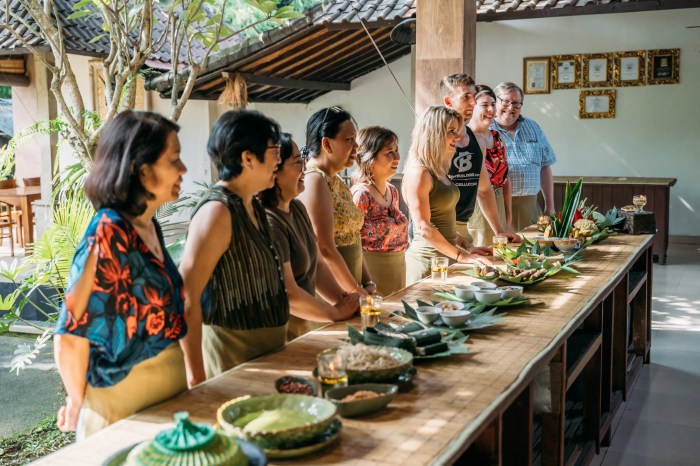
In Balinese cooking, the use of fresh, local ingredients plays a crucial role in creating authentic and flavorful dishes. The vibrant flavors and unique characteristics of Balinese cuisine are a result of the fresh produce sourced from local markets.
Importance of Local Ingredients
- Local ingredients provide an authentic taste of Balinese cuisine, showcasing the rich flavors of the region.
- Using fresh, seasonal produce enhances the overall quality and taste of the dishes.
- Supporting local farmers and producers promotes sustainability and strengthens the local economy.
Market Visits Experience
Visiting local markets in Bali is an immersive experience that allows participants in cooking classes to witness the bustling atmosphere, vibrant colors, and diverse array of ingredients. Engaging with local vendors and selecting the freshest produce adds a unique touch to the culinary journey.
Sustainable and Organic Practices
- Balinese culinary traditions often emphasize sustainable and organic practices, incorporating locally grown ingredients without the use of harmful chemicals.
- By embracing sustainable practices, Balinese cuisine respects the environment and supports the well-being of future generations.
- Organic farming methods contribute to the preservation of traditional flavors and ensure the authenticity of Balinese dishes.
Cultural Significance of Balinese Cuisine: Local Cuisine Cooking Classes In Bali
Balinese cuisine is not just about the flavors and ingredients; it also carries significant cultural importance that reflects the island’s rich heritage. From traditional cooking methods to the symbolism behind certain dishes, Balinese cuisine is deeply intertwined with the island’s customs and rituals.
Rituals and Ceremonies
In Bali, food preparation and consumption are not just daily activities; they are often part of rituals and ceremonies that hold spiritual significance. Offerings are made to the gods before meals, and special dishes are prepared during religious festivals and ceremonies.
For example, the elaborate preparations for the Balinese New Year (Nyepi) involve cooking specific dishes to cleanse the body and soul.
Symbolism in Dishes and Ingredients
Many Balinese dishes are symbolic and represent more than just food. For example, the famous Babi Guling (suckling pig) is often served during important ceremonies and symbolizes prosperity and abundance. Ingredients like coconut, turmeric, and ginger are believed to have healing properties and are used in both cooking and traditional medicine.
The use of certain spices and herbs is also thought to balance the body’s energies according to traditional Balinese beliefs.
Connection to Cultural Heritage
Balinese cuisine is a reflection of the island’s cultural heritage, incorporating influences from Hindu, Javanese, Chinese, and European traditions. The unique flavors and cooking techniques passed down through generations showcase the diversity and complexity of Balinese culture. By participating in local cuisine cooking classes, visitors can gain a deeper understanding of Balinese customs and traditions through the art of food.
Culinary Workshops and Guest Chefs
Guest chefs play a crucial role in local cuisine cooking classes in Bali by bringing their expertise and unique perspectives to the table. They not only introduce new techniques and recipes but also provide valuable insights into different culinary traditions.
Culinary workshops are essential in promoting Balinese cuisine globally as they offer participants a hands-on experience with authentic local dishes. By immersing themselves in the cooking process, students can gain a deeper understanding and appreciation for Balinese food culture.
Success Stories of Participants
- Many participants who have attended cooking classes in Bali have gone on to replicate traditional Balinese dishes in their own homes, sharing the flavors and techniques they learned with friends and family.
- Some have even started their own food businesses or pop-up restaurants, incorporating Balinese influences into their menus and showcasing the diversity of the local cuisine.
- Others have taken their newfound culinary skills to social media, sharing their cooking experiences and spreading awareness about Balinese cuisine to a global audience.
Incorporating Balinese Flavors at Home
Bringing the vibrant and unique flavors of Balinese cuisine into your own kitchen can be a rewarding experience. By incorporating Balinese flavors and cooking techniques into your home cooking, you can create dishes that are not only delicious but also rich in cultural heritage.
Tips for Incorporating Balinese Flavors
- Experiment with traditional Balinese spices such as lemongrass, galangal, turmeric, and kaffir lime leaves to add depth and complexity to your dishes.
- Use Indonesian sweet soy sauce (kecap manis) to bring a touch of sweetness and umami flavor to your marinades and sauces.
- Explore Balinese sambal varieties like sambal matah or sambal bajak to add a spicy kick to your meals.
Recipes to Try at Home
- Try making a classic Balinese dish like Babi Guling (suckling pig) with a homemade spice paste of turmeric, ginger, garlic, and shallots.
- Experiment with making Lawar, a traditional Balinese salad made with minced meat, grated coconut, and a blend of aromatic spices.
- Prepare a refreshing dessert like Es Campur, a mixed fruit and jelly dessert drizzled with sweet syrup and coconut milk.
Cultural Significance of Sharing Balinese Cuisine
Sharing Balinese cuisine with friends and family is not just about the food itself; it’s a way to connect with others and celebrate the rich culinary heritage of Bali. By cooking and sharing Balinese dishes, you are sharing a piece of Balinese culture and tradition with your loved ones.
Question Bank
Are cooking classes suitable for beginners?
Yes, local cuisine cooking classes in Bali cater to participants of all skill levels, including beginners who are eager to learn the art of Balinese cooking.
What is the duration of a typical cooking class?
Most local cuisine cooking classes in Bali last for a few hours, providing a comprehensive yet immersive experience in preparing traditional Balinese dishes.
Can dietary restrictions be accommodated in these classes?
Absolutely, cooking classes in Bali are known for their flexibility in accommodating dietary restrictions, ensuring that everyone can enjoy the culinary journey.


