Scenic routes for wildlife viewing in Alaska: Discover the best spots and tips
Scenic Routes for Wildlife Viewing in Alaska
Scenic routes for wildlife viewing in Alaska – Alaska is home to a diverse range of wildlife, and there are several scenic routes that offer excellent opportunities for wildlife viewing. Whether you’re hoping to spot bears, moose, eagles, or whales, these routes provide a front-row seat to Alaska’s natural beauty.
Top Scenic Routes for Wildlife Viewing
- Denali Park Road: Known for its stunning views of Denali (formerly Mount McKinley), this road offers a chance to see grizzly bears, caribou, wolves, and Dall sheep.
- Kenai Peninsula: This area is famous for its coastal wildlife viewing, including sea otters, puffins, and whales. The Kenai Fjords National Park is a must-visit for marine wildlife enthusiasts.
- Glenn Highway: Traveling along this highway provides opportunities to see moose, bald eagles, and maybe even a glimpse of a lynx or porcupine.
Best Times to Embark on these Scenic Routes
- Spring and fall are great seasons for wildlife viewing in Alaska. During these times, animals are more active, and there are fewer crowds on the roads.
- Early morning and late evening are ideal times of day for wildlife sightings, as many animals are most active during these hours.
Tips for Wildlife Viewing Preparation
- Bring binoculars and a camera with a zoom lens to capture wildlife from a safe distance.
- Dress in layers, as Alaska’s weather can change quickly. Be prepared for rain, wind, or even snow, depending on the season.
- Respect wildlife by observing from a distance and not approaching or feeding them. Keep a safe distance to avoid disturbing their natural behavior.
Festival Travel
Alaska is home to a variety of wildlife and nature festivals that celebrate the rich biodiversity of the region. These festivals not only showcase the local wildlife and ecosystems but also raise awareness about the importance of conservation efforts.
Popular Wildlife and Nature Festivals in Alaska
Alaska Bird Conference: This annual conference brings together bird enthusiasts, researchers, and conservationists to discuss the latest findings and conservation efforts related to avian species in Alaska.
- The Alaska Hummingbird Festival: Held in Cordova, this festival celebrates the annual migration of hummingbirds through the region.
- The Sitka WhaleFest: This festival focuses on the conservation of marine mammals, particularly whales, and educates the public on the importance of protecting their habitats.
Cultural Significance of Wildlife Festivals in Alaska
These festivals play a crucial role in promoting wildlife conservation by fostering a deeper connection between the local community and the natural environment. By showcasing the beauty and diversity of Alaska’s wildlife, these events inspire people to take action to protect these species and their habitats.
Hiking Trails
Alaska offers some of the most breathtaking hiking trails for wildlife enthusiasts to explore. From lush forests to rugged mountain terrains, hikers can encounter a variety of wildlife species along the way.
1. Harding Icefield Trail
Located in Kenai Fjords National Park, this trail offers stunning views of the Harding Icefield and surrounding glaciers. Hikers may spot black bears, mountain goats, and various bird species such as ptarmigans and bald eagles.
2. Crow Pass Trail
This historic trail near Anchorage leads hikers through alpine meadows, dense forests, and past crystal-clear mountain lakes. Wildlife sightings can include moose, Dall sheep, and even the occasional grizzly bear.
3. Savage River Loop Trail
In Denali National Park, this trail provides a glimpse of the park’s vast wilderness and diverse wildlife. Keep an eye out for caribou, wolves, and golden eagles while exploring the rugged terrain.
Safety Tips and Essential Gear Recommendations
- Always carry bear spray and know how to use it in case of a bear encounter.
- Stay on designated trails and be aware of your surroundings at all times.
- Wear sturdy hiking boots and dress in layers to prepare for changing weather conditions.
- Carry plenty of water, snacks, a map, and a compass or GPS device for navigation.
- Inform someone of your hiking plans and expected return time before setting out on the trail.
Travel Reviews
When it comes to wildlife viewing experiences in Alaska, travel reviews play a crucial role in guiding visitors to the best locations for sightings. These reviews provide valuable insights and firsthand accounts that can help travelers plan their trips effectively.
Most Recommended Locations for Wildlife Sightings
- Denali National Park: Known for its vast wilderness and diverse wildlife, Denali offers opportunities to spot grizzly bears, moose, caribou, and wolves.
- Kenai Fjords National Park: Visitors rave about the marine wildlife sightings here, including orcas, humpback whales, sea otters, and puffins.
- Wrangell-St. Elias National Park: The largest national park in the U.S. is a hotspot for seeing Dall sheep, mountain goats, and brown bears in their natural habitat.
Comparing Travelers’ Perspectives on Wildlife Encounters
- Some travelers emphasize the thrill of seeing elusive animals like wolves and bears in their natural environment, while others focus on the breathtaking scenery and overall experience of being immersed in Alaska’s wilderness.
- While some visitors prioritize specific species sightings, others appreciate the unpredictability of wildlife encounters and the element of surprise that comes with exploring Alaska’s diverse ecosystems.
Travel Accessories: Scenic Routes For Wildlife Viewing In Alaska
When embarking on a wildlife viewing adventure in Alaska, having the right travel accessories can enhance your experience and ensure you are well-prepared for the unique environment.
Essential Gear for Wildlife Viewing
- Binoculars: A good pair of binoculars will allow you to get a closer look at wildlife without disturbing their natural habitat.
- Camera: Capture the stunning landscapes and wildlife encounters with a quality camera to preserve your memories.
- Wildlife Guides: Consider bringing along a wildlife guidebook to help you identify different species and learn more about the animals you encounter.
Eco-Friendly Accessories
- Reusable Water Bottle: Stay hydrated while reducing plastic waste by bringing a reusable water bottle on your travels.
- Biodegradable Sunscreen: Protect yourself from the sun’s rays without harming the environment with biodegradable sunscreen options.
- Reusable Bags: Pack snacks and essentials in reusable bags to minimize waste and avoid littering in natural areas.
Road Adventures
Embark on an exciting road trip in Alaska for an unforgettable wildlife viewing experience. Discover the beauty of the wilderness from the comfort of your vehicle.
Must-Visit Spots for Wildlife Sightings
- Denali National Park: Home to a diverse range of wildlife including bears, moose, and caribou.
- Kenai Peninsula: Explore coastal habitats where you can spot sea otters, whales, and seabirds.
- Wrangell-St. Elias National Park: Witness the majestic sight of glaciers and keep an eye out for Dall sheep and wolves.
Road Safety Tips and Regulations
When viewing wildlife from your vehicle, remember to maintain a safe distance to avoid disturbing the animals. Follow these safety tips:
- Do not approach wildlife too closely, especially large mammals like bears or moose.
- Stay in your vehicle unless there are designated viewing areas where you can safely exit.
- Observe speed limits and be prepared to yield to wildlife crossing the road.
Admire wildlife from a safe distance to ensure both your safety and the well-being of the animals.
Tropical Islands
When comparing Alaska’s wildlife-rich landscapes to tropical islands, it becomes evident that both environments offer unique opportunities for wildlife viewing. While Alaska is known for its rugged terrain and abundance of land animals such as bears, moose, and caribou, tropical islands boast a diverse range of marine life and exotic bird species.
The types of wildlife found in Alaska differ significantly from those found on tropical islands. Alaska is home to large mammals like grizzly bears and wolves, as well as a variety of bird species. In contrast, tropical islands are teeming with colorful fish, coral reefs, and sea turtles.
The biodiversity in both environments is a reflection of their distinct ecosystems and habitats.
Biodiversity and Ecosystems
- Alaska: The vast wilderness of Alaska provides a habitat for a wide range of terrestrial animals, including iconic species like the bald eagle and the humpback whale. The cold waters of the region support thriving marine life, such as seals, sea otters, and various species of fish.
- Tropical Islands: The warm waters surrounding tropical islands are home to vibrant coral reefs that support a plethora of marine species, from colorful fish to sharks and dolphins. On land, tropical islands host a variety of unique bird species, reptiles, and insects that have adapted to the island environments.
Travel Rewards
When it comes to wildlife viewing experiences in Alaska, travelers can actually benefit from various travel rewards programs that can enhance their overall adventure. These programs offer incentives and perks that can make exploring the wilderness even more rewarding.
Loyalty Programs for Wildlife Tourism
- Many travel companies and tour operators offer loyalty programs specifically tailored for wildlife tourism in Alaska. These programs often include discounts on future trips, exclusive access to certain areas, and special perks for repeat customers.
- By participating in these loyalty programs, travelers can not only save money on their wildlife viewing adventures but also build a stronger connection with the conservation efforts in the region.
Conservation Efforts and Travel Rewards Initiatives
- Travel rewards programs often collaborate with conservation organizations in Alaska to promote sustainable tourism practices and support wildlife conservation efforts. This partnership helps raise awareness about the importance of protecting the natural habitat and wildlife in the region.
- Travelers who engage in these conservation-focused initiatives through travel rewards programs can contribute to the preservation of Alaska’s unique ecosystem while earning rewards for their participation.
Winter Getaways
Winter in Alaska offers unique opportunities for wildlife enthusiasts to observe animals in their natural habitat. The snowy landscapes provide a stunning backdrop for spotting a variety of wildlife species.
Wildlife Viewing in Winter
During the winter season, wildlife behavior in Alaska is influenced by the colder temperatures and snow-covered surroundings. Animals such as moose, caribou, wolves, and bald eagles are commonly seen against the white canvas of the winter landscape.
- Keep an eye out for tracks in the snow, as they can lead you to various wildlife sightings.
- Binoculars are essential for spotting wildlife from a distance, especially in the vast snowy expanses.
- Layered clothing, including thermal wear, waterproof jackets, and insulated boots, is crucial to stay warm during winter wildlife viewing excursions.
- Hand warmers and gloves are recommended to keep your hands warm while observing wildlife in the cold.
Camping Sites
When it comes to camping in Alaska, there are numerous sites that offer fantastic opportunities for wildlife viewing. However, it is essential to be aware of camping regulations and permits to ensure a safe and enjoyable experience while minimizing impact on the local wildlife.
Recommended Camping Sites for Wildlife Viewing
Here are some recommended camping sites in Alaska that provide excellent wildlife viewing opportunities:
- Denali National Park: Known for its diverse wildlife, including grizzly bears, caribou, and moose, Denali offers various campgrounds for visitors.
- Katmai National Park: Famous for its brown bears and abundant salmon runs, Katmai has designated camping areas for those looking to observe these majestic creatures.
- Kenai Fjords National Park: With its glaciers and marine wildlife, camping along the coast of Kenai Fjords allows for unique wildlife encounters.
Camping Regulations and Permits
It is important to familiarize yourself with camping regulations in wildlife-rich areas to ensure the safety of both humans and animals. Some key points to keep in mind include:
- Obtain necessary permits for camping in national parks or wildlife reserves to avoid fines or penalties.
- Follow Leave No Trace principles to minimize your impact on the environment and wildlife.
- Store food properly to prevent attracting wildlife to your campsite and to avoid potential conflicts.
Responsible Camping Practices
To promote responsible camping and minimize human-wildlife conflicts, consider the following tips:
- Keep a safe distance from wildlife and observe them from afar to avoid disturbing their natural behavior.
- Avoid feeding wildlife, as it can alter their natural diet and behavior, leading to dependency on human food sources.
- Dispose of waste properly and pack out all trash to maintain the cleanliness of the camping area and protect wildlife from ingesting harmful materials.
Local Cuisine
Alaska’s local cuisine is deeply connected to the wildlife that thrives in its diverse ecosystems. The traditional dishes of the region often feature ingredients sourced from local wildlife, showcasing a unique culinary experience that reflects the rich natural bounty of Alaska.
Traditional Dishes
- Alaskan Salmon: A staple in Alaskan cuisine, salmon is often caught fresh from the waters and prepared in various ways such as smoked, grilled, or baked.
- Caribou Stew: Made with tender caribou meat, this hearty stew is a comforting dish that highlights the flavors of the land.
- Wild Berry Jams: Berries like blueberries, raspberries, and salmonberries are foraged from the wild and turned into delicious jams and preserves.
Sustainable Food Practices
- Wildlife Conservation: By sourcing ingredients locally and sustainably, Alaskan cuisine supports the conservation of wildlife habitats and ecosystems.
- Responsible Harvesting: Many Alaskan communities practice responsible harvesting of wild game and fish, ensuring that resources are managed in a way that preserves the environment for future generations.
- Community Supported Fisheries: Programs like community supported fisheries connect consumers directly with local fishermen, promoting sustainable fishing practices and supporting small-scale fishing communities.
Wildlife Safaris
Alaska offers incredible opportunities for wildlife safaris, allowing visitors to observe a wide variety of species in their natural habitats. From bears and moose to whales and bald eagles, the state is teeming with diverse wildlife waiting to be discovered.
Species commonly observed
- Grizzly Bears: Alaska is known for its population of grizzly bears, especially in places like Katmai National Park and Denali National Park.
- Moose: These iconic creatures can often be spotted near marshy areas and lakes throughout the state.
- Whales: Visitors can witness magnificent humpback whales breaching and feeding in the waters of Southeast Alaska.
- Bald Eagles: These majestic birds are a common sight along the coastlines and rivers of Alaska.
Comparison with other popular safari destinations
- Alaska vs. Africa: While African safaris offer a more diverse range of wildlife, Alaska provides a unique opportunity to observe species that are not found on the African continent, such as polar bears and sea otters.
- Alaska vs. Galapagos Islands: The Galapagos Islands offer a more concentrated wildlife experience, with a focus on endemic species, while Alaska’s safaris showcase a broader range of North American wildlife.
Ethical considerations and wildlife conservation practices
- Respect wildlife habitats: It is crucial to minimize disturbances to animals and their environments to ensure their well-being.
- Follow guidelines: Always adhere to park regulations and guidelines to protect both wildlife and yourself during the safari experience.
- Support conservation efforts: Consider donating to organizations dedicated to wildlife conservation to help preserve these species for future generations.
Travel Vlogs
Travel vlogs have become increasingly popular in showcasing travel experiences, including wildlife viewing adventures in Alaska. These vlogs not only entertain viewers but also serve as a powerful tool for promoting conservation efforts and ecotourism. By documenting wildlife encounters on camera, vloggers can raise awareness about the importance of protecting natural habitats and the diverse species that inhabit them.
Review of Wildlife Viewing Travel Vlogs in Alaska
- Explore the stunning landscapes and diverse wildlife species captured in Alaska travel vlogs.
- Discover the storytelling techniques used by vloggers to create engaging and informative content.
- Learn about the impact of these vlogs on inspiring viewers to appreciate and protect the environment.
Storytelling Techniques in Wildlife Viewing Vlogs
- Discuss the use of narration, music, and editing to enhance the storytelling of wildlife encounters.
- Examine how vloggers build suspense and create emotional connections with their audience through visual storytelling.
- Highlight the importance of authenticity and ethical practices in wildlife viewing vlogs.
Impact on Conservation and Ecotourism
- Analyze how wildlife viewing vlogs contribute to raising awareness about conservation issues and promoting sustainable travel practices.
- Explore the role of vloggers in advocating for responsible wildlife tourism and supporting local conservation efforts.
- Dive into case studies or examples where wildlife viewing vlogs have directly influenced conservation initiatives or ecotourism development.
Car Rentals
When exploring wildlife viewing routes in Alaska, choosing the right car rental is essential for a smooth and enjoyable experience. Whether you’re planning to drive through rugged terrain or remote areas, selecting the right vehicle can make all the difference.
Comparing Car Rental Options
Before embarking on your wildlife viewing adventure, it’s important to compare different car rental options to find the best fit for your needs. Consider factors such as vehicle size, fuel efficiency, and rental rates to ensure a comfortable and cost-effective journey.
Importance of Eco-Friendly Vehicles
Opting for eco-friendly vehicle options is crucial when engaging in wildlife tourism in Alaska. By choosing vehicles with low emissions and high fuel efficiency, you can minimize your impact on the environment and help preserve the natural habitats of the wildlife you’re hoping to see.
Car Maintenance and Safety Tips
- Before setting out on your wildlife viewing expedition, make sure to inspect the rental car for any signs of damage or mechanical issues.
- Check the tire pressure, oil levels, and brakes to ensure the vehicle is in optimal condition for the journey ahead.
- Pack an emergency kit with essentials such as water, snacks, a flashlight, and a first aid kit in case of unforeseen circumstances.
- Plan your route in advance and inform someone of your travel plans, especially when heading to remote wildlife viewing locations with limited connectivity.
Weekend Getaways
For wildlife enthusiasts in Alaska looking for a quick escape, weekend getaways offer the perfect opportunity to immerse yourself in nature and wildlife viewing experiences. Whether you’re a local looking for a short adventure or a visitor wanting to make the most of your time, there are plenty of options to consider for a memorable weekend getaway.
Itinerary Suggestions, Scenic routes for wildlife viewing in Alaska
- Day 1: Start your weekend getaway by heading to the Kenai Peninsula, known for its diverse wildlife and stunning landscapes. Explore the Kenai Fjords National Park for a chance to see whales, sea lions, and seabirds in their natural habitat.
- Day 2: Consider a visit to Denali National Park, home to a variety of wildlife including grizzly bears, caribou, and wolves. Take a guided tour or hike along the park’s trails for a chance to spot these majestic creatures.
Accommodations and Activities
When planning your weekend getaway, consider staying at cozy cabins or lodges near the national parks for a true wilderness experience. Book wildlife viewing tours or guided excursions to maximize your chances of spotting Alaska’s iconic animals in their natural environment.
Scenic Routes
Scenic routes in Alaska play a crucial role in wildlife conservation efforts by providing a unique opportunity for visitors to experience the natural habitats of local wildlife species.
Significance of Scenic Routes for Wildlife Conservation
- Scenic routes act as corridors for wildlife movement, allowing animals to migrate, forage, and reproduce in their natural environments.
- These routes help minimize habitat fragmentation and provide a safe passage for wildlife to navigate through different landscapes.
- By showcasing the diverse ecosystems and wildlife along these routes, visitors gain a deeper appreciation for the importance of preserving these habitats.
Contribution to Raising Awareness about Local Wildlife Species
- Scenic routes offer a platform for educating the public about the various species of wildlife that call Alaska home.
- Through interpretive signs, guided tours, and visitor centers along the routes, travelers can learn about the behaviors, habitats, and conservation status of local wildlife.
- Engaging with wildlife in their natural settings fosters a sense of connection and responsibility towards protecting these species for future generations.
Memorable Wildlife Encounters along Scenic Routes
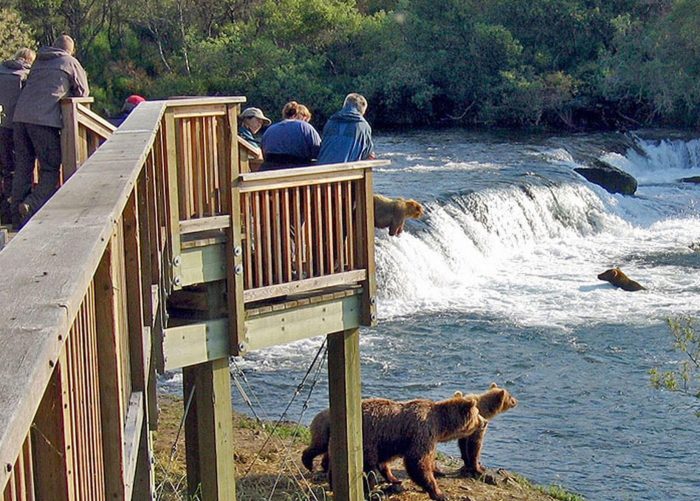
- Witnessing a grizzly bear catching salmon at Brooks Falls in Katmai National Park is a once-in-a-lifetime experience that highlights the incredible wildlife diversity in Alaska.
- Spotting a pod of orcas swimming gracefully in the waters of Resurrection Bay along the Seward Highway offers a breathtaking glimpse into the marine life of the region.
- Encountering a family of moose grazing near the Denali Highway showcases the resilience and adaptability of wildlife in the face of changing landscapes.
FAQ Corner
When is the best time to visit Alaska for wildlife viewing?
The best time to visit Alaska for wildlife viewing is during the summer months when wildlife is most active, and the weather is conducive to outdoor adventures.
What wildlife species can be seen along Alaska’s scenic routes?
Alaska’s scenic routes offer sightings of diverse wildlife such as bears, moose, eagles, and whales, providing a unique opportunity to observe these majestic creatures in their natural habitats.
How can I prepare for wildlife viewing along Alaska’s scenic routes?
To prepare for wildlife viewing along Alaska’s scenic routes, make sure to pack essentials such as binoculars, cameras, layered clothing, and bear spray for safety. Additionally, research the specific wildlife species you hope to see for a more enriching experience.