Farm-to-table local cuisine restaurants offer a delectable dining experience
Introduction to Farm-to-Table Local Cuisine Restaurants
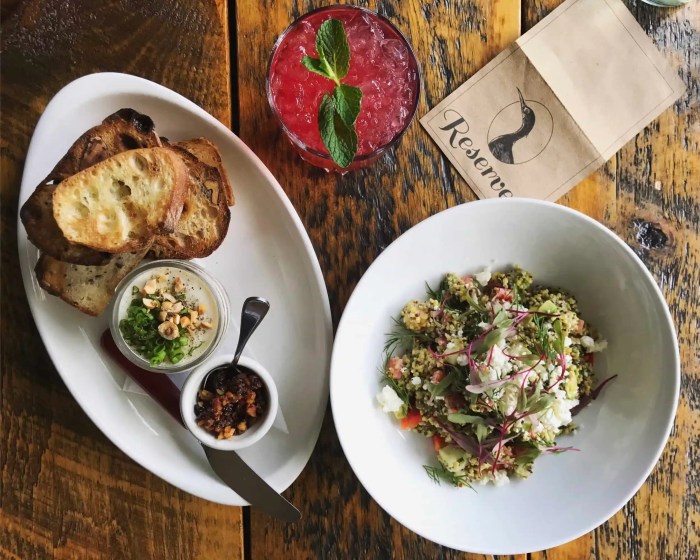
Farm-to-table local cuisine restaurants – Farm-to-table dining is a culinary experience that focuses on sourcing ingredients directly from local farms to create fresh and seasonal dishes. This concept emphasizes the connection between food producers and consumers, promoting sustainability and supporting local communities.
Supporting local farmers in restaurant practices is essential for maintaining a thriving agricultural industry. By purchasing ingredients from nearby farms, restaurants can reduce their carbon footprint, minimize food waste, and contribute to the local economy. This direct relationship between farmers and chefs also ensures transparency in the sourcing process, allowing consumers to know exactly where their food comes from.
Benefits of Consuming Locally Sourced Ingredients
- Enhanced freshness and flavor: Locally sourced ingredients are harvested at their peak ripeness, resulting in superior taste and quality in dishes.
- Environmental sustainability: By reducing the distance that food travels from farm to table, the carbon footprint of the meal is significantly lowered, promoting eco-friendly practices.
- Supporting local economy: Investing in local farms helps to bolster the agricultural community, creating jobs and fostering economic growth within the region.
- Promoting food diversity: Local farms often cultivate a wide variety of fruits, vegetables, and proteins, allowing for a more diverse and unique menu selection for diners.
Characteristics of Farm-to-Table Restaurants
Farm-to-table restaurants are known for their commitment to using locally sourced ingredients to create fresh and seasonal dishes. These establishments prioritize sustainability and environmental consciousness in their practices, aiming to support local farmers and reduce their carbon footprint.
Menu Offerings
Farm-to-table restaurants typically offer a menu that changes regularly based on the availability of local produce. The dishes are crafted using fresh ingredients sourced directly from nearby farms, ensuring quality and flavor in every bite.
Prioritizing Freshness and Seasonality
One key aspect of farm-to-table restaurants is their emphasis on using ingredients at the peak of freshness. By sourcing locally, these establishments can offer dishes that reflect the current season, providing customers with a true taste of the region’s bounty.
Emphasis on Sustainability and Environmental Consciousness
In addition to supporting local farmers, farm-to-table restaurants focus on sustainability and environmental consciousness. They often implement practices such as composting, recycling, and reducing food waste to minimize their impact on the environment and promote eco-friendly dining options.
Farm-to-Table Dining Experience
When dining at a farm-to-table restaurant, customers can expect a unique and immersive experience that goes beyond just enjoying a meal.
Examples of Farm-to-Table Restaurants Around the World
- Blue Hill at Stone Barns in Pocantico Hills, New York, USA: This renowned restaurant is located on a working farm and offers a seasonal menu sourced directly from the farm.
- Noma in Copenhagen, Denmark: Known for its innovative and sustainable approach to sourcing ingredients, Noma collaborates with local farmers and foragers to create exceptional dishes.
- The Ethicurean in Bristol, UK: Situated on a walled garden, this restaurant emphasizes the use of homegrown produce and locally sourced ingredients.
Ambiance and Atmosphere of Farm-to-Table Restaurants
Farm-to-table restaurants often have a cozy and rustic ambiance, with earthy tones and natural decor that reflect the connection to the land. The atmosphere is relaxed, inviting guests to savor their meals slowly and appreciate the freshness of the ingredients.
Connection Between Diners and Food in Farm-to-Table Setting
One of the key aspects of dining at a farm-to-table restaurant is the direct connection between diners and the food they consume. Guests can learn about the origin of their meal, the farming practices used, and even meet the farmers who grew the produce.
This transparency fosters a deeper appreciation for the food and a greater understanding of the effort that goes into bringing it to the table.
Benefits of Farm-to-Table Cuisine
Eating farm-to-table meals offers numerous nutritional advantages as the produce is fresher and retains more nutrients compared to processed foods.
Nutritional Advantages
- Farm-to-table meals are packed with vitamins, minerals, and antioxidants due to minimal processing.
- Locally sourced ingredients are often harvested at peak ripeness, maximizing their nutritional value.
- Reduced use of preservatives and additives in farm-to-table dishes promotes healthier eating habits.
Economic Impact, Farm-to-table local cuisine restaurants
- Supporting local producers through farm-to-table restaurants boosts the local economy by creating jobs and increasing revenue within the community.
- By purchasing directly from farmers, these restaurants help small-scale producers thrive and sustain their businesses.
- Encouraging consumers to buy locally grown products contributes to the growth of the agricultural sector and overall economic stability.
Food Security and Community Resilience
- Farm-to-table dining plays a crucial role in promoting food security by reducing dependence on imported goods and ensuring a stable food supply chain.
- Local sourcing fosters community resilience by building strong relationships between farmers, chefs, and consumers, creating a sense of food self-sufficiency.
- In times of crisis or natural disasters, farm-to-table restaurants are better equipped to provide fresh, locally sourced meals, ensuring food availability during challenging times.
Farm-to-Table Local Cuisine and Festival Travel
Farm-to-table cuisine plays a significant role in enhancing the food offerings at various festivals and events around the world. The focus on fresh, locally-sourced ingredients not only elevates the culinary experience but also highlights the importance of sustainable practices in the food industry.
Integration of Farm-to-Table Cuisine in Food Festivals
Farm-to-table cuisine is seamlessly integrated into food festivals, where chefs showcase dishes made from ingredients sourced directly from local farms. These festivals often feature cooking demonstrations, tasting sessions, and farm tours to educate attendees about the origin of their food and the benefits of supporting local farmers.
Role of Local Cuisine in Enhancing Festival Travel Experience
Local cuisine plays a crucial role in enhancing the festival travel experience by offering a taste of the region’s unique flavors and culinary traditions. Visitors can immerse themselves in the local food culture, interact with farmers and producers, and gain a deeper appreciation for the connection between food, community, and sustainability.
Examples of Festivals Highlighting Farm-to-Table Cuisine
- The Outstanding in the Field dinner series brings farm-to-table dining to picturesque locations such as farms, vineyards, and beaches, offering guests a one-of-a-kind dining experience.
- The Farm to Fork Festival in Sacramento, California, celebrates the region’s agricultural bounty with farm tours, chef demonstrations, and a grand feast showcasing local ingredients.
- The Slow Food Nations festival in Denver, Colorado, focuses on promoting good, clean, and fair food through a series of tastings, workshops, and discussions on sustainable food practices.
Farm-to-Table Local Cuisine and Hiking Trails
Farm-to-table restaurants cater to hikers and outdoor enthusiasts by offering fresh, locally sourced ingredients that provide a nutritious and satisfying meal after a long day of hiking. These restaurants often focus on seasonal produce and sustainable practices, creating dishes that highlight the flavors of the region.
Trail-to-Table Dining Experiences
Trail-to-table dining experiences involve hikers enjoying a meal made with ingredients sourced directly from local farms along the hiking trail. This unique dining concept allows hikers to connect with nature, experience the local food culture, and support small-scale farmers in the area.
Finding Farm-to-Table Dining Options along Popular Hiking Trails
- Research farm-to-table restaurants in the area before embarking on a hiking trip to ensure you have dining options available.
- Look for restaurants that specifically mention sourcing ingredients locally or partnering with nearby farms for their menu.
- Check online reviews or ask locals for recommendations on the best farm-to-table dining experiences near popular hiking trails.
- Consider joining guided hiking tours that include farm-to-table dining experiences as part of the itinerary for a seamless outdoor and culinary adventure.
Farm-to-Table Local Cuisine and Travel Reviews
When it comes to exploring farm-to-table local cuisine during travels, reviews play a crucial role in guiding tourists towards exceptional dining experiences.
Importance of Local Cuisine in Travel Reviews
Travel reviews often highlight the significance of local cuisine in enhancing the overall travel experience. Visitors appreciate the authenticity and unique flavors that farm-to-table restaurants offer, making them popular choices for food enthusiasts.
Examples of Travel Reviews
- One traveler praised a farm-to-table restaurant for its freshly harvested ingredients that brought out the true essence of the region’s flavors.
- Another review mentioned the personalized service and farm-fresh menu options that made the dining experience memorable and worth recommending to others.
- A travel blogger raved about the sustainable practices of a farm-to-table establishment, emphasizing the importance of supporting local farmers and producers.
Farm-to-Table Local Cuisine and Travel Accessories
When visiting farm-to-table local cuisine restaurants, having the right travel accessories can significantly enhance your dining experience. These accessories not only make your trip more convenient but also add to the enjoyment of exploring the local food scene.
Essential Travel Accessories for Food Enthusiasts
- A reliable insulated food bag to keep your farm-fresh purchases fresh during your travels.
- A sturdy and reusable water bottle to stay hydrated while exploring local farms and dining spots.
- A compact and versatile picnic blanket for impromptu outdoor dining experiences in scenic farm settings.
- A set of eco-friendly utensils to reduce waste and enjoy your farm-to-table meals guilt-free.
Enhancing the Farm-to-Table Dining Experience with Travel Accessories
Travel accessories can enhance the farm-to-table dining experience by allowing you to fully immerse yourself in the local food culture. For example, a portable wine opener can help you enjoy local wines with your meals, while a farmers’ market tote bag can make it easy to carry your fresh produce finds back to your accommodation.
Recommended Travel Accessories for a Food-Focused Trip
- A food journal to document your culinary adventures and jot down memorable farm-to-table recipes.
- A lightweight and collapsible cooler to transport perishable farm-fresh goods back home.
- A pocket-sized spice kit to add an extra burst of flavor to your farm-to-table meals on the go.
- An insulated travel mug for sipping on locally brewed coffee or tea while exploring the countryside.
Farm-to-Table Local Cuisine and Road Adventures: Farm-to-table Local Cuisine Restaurants
When embarking on a road trip, incorporating farm-to-table dining can elevate the overall experience by connecting travelers with local flavors and supporting sustainable food practices.
Incorporating Farm-to-Table Dining
While on a road adventure, make use of local food guides or apps to discover farm-to-table restaurants along your route. These establishments often source ingredients locally, offering fresh and seasonal dishes that showcase the region’s culinary identity.
Enhancing Road Adventure Experiences
- Local cuisine adds a unique dimension to road trips, allowing travelers to taste the essence of each destination through its food.
- Exploring farm-to-table restaurants can lead to unexpected culinary delights and memorable dining experiences that complement the scenic views and cultural stops along the way.
- Engaging with local farmers and chefs provides insight into the community’s food culture, creating a deeper connection to the places visited during the journey.
Discovering Farm-to-Table Restaurants
Here are some tips for finding farm-to-table dining options while on a road trip:
- Research local farm-to-table restaurants in advance and plan your stops accordingly.
- Visit farmers’ markets or inquire at local visitor centers for recommendations on authentic farm-to-table eateries.
- Look for restaurants that highlight their partnerships with local farms and producers to ensure a genuine farm-to-table experience.
Farm-to-Table Local Cuisine and Tropical Islands
When it comes to farm-to-table local cuisine, tropical islands offer a unique and exciting setting for showcasing the freshest ingredients and flavors of the region. These islands not only provide an abundance of locally grown produce but also incorporate traditional cooking methods that highlight the essence of the tropical paradise.
Presence of Farm-to-Table Restaurants on Tropical Islands
On tropical islands, farm-to-table restaurants are becoming increasingly popular as diners seek out authentic and sustainable culinary experiences. These establishments source ingredients directly from local farms and fishermen, ensuring that each dish is not only delicious but also supports the island’s economy and community.
Local Ingredients and Flavors in Island Farm-to-Table Cuisine
Island farm-to-table cuisine is characterized by the use of fresh seafood, tropical fruits, and aromatic spices that are unique to the region. Dishes are often prepared with simple techniques that allow the natural flavors of the ingredients to shine, creating a culinary experience that reflects the vibrant spirit of the tropical landscape.
Unique Dining Experiences in Tropical Farm-to-Table Restaurants
Farm-to-table restaurants in tropical settings offer diners the opportunity to enjoy their meals surrounded by lush gardens, with views of the ocean, or under the shade of palm trees. These picturesque settings enhance the dining experience, creating a connection between the food on the plate and the natural beauty of the island.
Farm-to-Table Local Cuisine and Travel Rewards
Farm-to-table local cuisine restaurants are not only about serving fresh and sustainable food but also about creating a unique dining experience for travelers. Many of these restaurants have started to link loyalty programs or travel rewards to their farm-to-table dining experiences to attract more customers and promote sustainable practices.
Benefits of Travel Rewards Linked to Farm-to-Table Dining
- Exclusive Discounts: Travelers who join loyalty programs at farm-to-table restaurants can enjoy exclusive discounts on meals, special events, or even accommodations at partner hotels.
- Free Meals or Upgrades: Some travel reward programs offer free meals or upgrades to loyal customers, encouraging them to return and experience more farm-fresh dishes.
- Unique Culinary Experiences: By participating in travel reward programs linked to farm-to-table dining, travelers can access unique culinary experiences such as farm tours, cooking classes, or chef’s table dinners.
Examples of Travel Reward Programs for Farm-to-Table Cuisine
- Farmstead at Long Meadow Ranch in Napa Valley, California offers a loyalty program where members can earn points for every dollar spent on their farm-to-table meals. These points can be redeemed for discounts, free wine tastings, or even tickets to exclusive events.
- Blackberry Farm in Tennessee rewards guests who frequently dine at their farm-to-table restaurant with complimentary stays at their luxury accommodations, spa treatments, or outdoor activities like fly fishing and hiking.
- The Inn at Little Washington in Virginia has a travel rewards program that includes perks like priority reservations, personalized tasting menus, and access to private farm tours led by the chef.
Farm-to-Table Local Cuisine and Winter Getaways
As the winter season approaches, farm-to-table restaurants adapt their menus to reflect the seasonal produce available. This ensures that diners can enjoy fresh, locally sourced ingredients even during the colder months.
Adaptation of Menus
- Farm-to-table restaurants in winter often feature hearty dishes that are perfect for warming up on chilly days.
- Menus may highlight root vegetables, winter greens, and citrus fruits that thrive during the colder months.
- Chefs may incorporate seasonal ingredients like squash, beets, and kale into creative and flavorful dishes.
Cozy Dining Experiences
During winter, farm-to-table establishments offer cozy and comforting dining experiences that embrace the season.
- Restaurants may feature roaring fireplaces, warm lighting, and rustic decor to create a welcoming atmosphere.
- Diners can enjoy dishes made with love and care, bringing a sense of comfort and nostalgia to the table.
- The focus on locally sourced ingredients adds an extra layer of warmth and connection to the dining experience.
Recommendations for Winter Getaways
For those seeking farm-to-table dining options in popular winter getaway destinations, consider the following recommendations:
- Aspen, Colorado:Explore farm-to-table restaurants in Aspen, known for their innovative dishes using seasonal ingredients.
- Woodstock, Vermont:Visit charming restaurants in Woodstock that offer farm-fresh cuisine in a picturesque winter setting.
- Portland, Oregon:Experience the vibrant food scene in Portland, where farm-to-table eateries showcase the best of the Pacific Northwest.
Farm-to-Table Local Cuisine and Camping Sites
When it comes to combining the love for farm-fresh food with the great outdoors, farm-to-table local cuisine and camping sites offer a unique dining experience that connects travelers with nature and the local food scene.
Exploring Farm-to-Campfire Dining
One of the most exciting aspects of farm-to-table local cuisine and camping sites is the opportunity to enjoy farm-to-campfire dining. This experience allows campers to cook meals using fresh, locally sourced ingredients right at their campsite. It brings a new level of freshness and flavor to traditional camping meals, elevating the overall dining experience in nature.
Collaboration between Farm-to-Table Restaurants and Camping Grounds
Farm-to-table restaurants often collaborate with camping grounds to provide campers with access to locally grown produce, meat, and dairy products. These partnerships create a seamless connection between the farm and the camping site, allowing travelers to enjoy high-quality meals while immersing themselves in the beauty of the outdoors.
Tips for Preparing Farm-Fresh Meals While Camping
– Plan your meals ahead of time and make a list of the fresh ingredients you’ll need. – Pack a cooler with perishable items to keep them fresh during your camping trip. – Use portable cooking equipment, such as a camp stove or grill, to prepare farm-fresh meals at your campsite. – Don’t forget to bring cooking utensils, plates, and cutlery for a complete dining experience in nature. – Embrace the simplicity of farm-to-table camping meals and savor the flavors of locally sourced ingredients under the stars.
Farm-to-Table Local Cuisine and Wildlife Safaris
Farm-to-table dining and wildlife safaris are a perfect match for those who value sustainability and eco-friendly practices. By incorporating locally sourced ingredients from nearby farms, restaurants in wildlife safari destinations contribute to the conservation of the environment and support local communities.
This unique dining experience allows visitors to enjoy fresh, seasonal dishes while immersing themselves in the natural beauty of the safari surroundings.
Sustainable Practices of Farm-to-Table Restaurants in Wildlife Safari Destinations
In wildlife safari destinations, farm-to-table restaurants follow sustainable practices such as using organic produce, supporting local farmers, and minimizing food waste. By sourcing ingredients locally, these restaurants reduce their carbon footprint and promote the preservation of the surrounding ecosystems. Additionally, many farm-to-table restaurants in wildlife safari areas prioritize ethical farming practices and strive to create dishes that showcase the region’s culinary heritage.
Examples of Wildlife Safari Experiences that Incorporate Farm-to-Table Cuisine
- In Kenya’s Maasai Mara National Reserve, visitors can enjoy farm-to-table dining experiences that feature traditional Kenyan dishes made with fresh, locally sourced ingredients.
- The Galapagos Islands offer a unique combination of wildlife encounters and farm-to-table dining, with restaurants serving dishes made from organic produce grown on the islands.
- South Africa’s Kruger National Park is home to farm-to-table restaurants that highlight the country’s diverse culinary traditions, using ingredients sourced from nearby farms and markets.
Farm-to-Table Local Cuisine and Travel Vlogs
When it comes to showcasing farm-to-table dining experiences, travel vloggers play a crucial role in bringing the culinary adventures to life through their engaging content. The visual appeal and storytelling potential of featuring local cuisine in travel vlogs provide viewers with a unique insight into the culture and flavors of a destination.
By highlighting farm-to-table restaurants and sustainable food practices, travel vloggers create an immersive experience that goes beyond just showcasing delicious dishes.
Exploring Farm-to-Table Dining Experiences
- Travel vloggers capture the essence of farm-to-table dining by showcasing the journey of ingredients from local farms to the restaurant kitchen.
- They emphasize the freshness and quality of the food, highlighting the connection between the land, the farmers, and the chefs.
- Through engaging storytelling and stunning visuals, travel vloggers bring to life the farm-to-table experience, enticing viewers to explore these culinary gems.
Recommended Travel Vlogs
- “Farm Fresh Foodie”– Follow this vlog for a firsthand look at farm-to-table restaurants around the world, featuring interviews with chefs and farmers.
- “Local Bites Adventure”– This vlog takes viewers on a culinary journey to discover hidden gems and sustainable dining practices in various destinations.
- “Sustainable Eats Explorer”– Explore the intersection of travel, sustainability, and local cuisine with this vlog that focuses on farm-to-table dining experiences.
Farm-to-Table Local Cuisine and Car Rentals
When it comes to exploring farm-to-table local cuisine restaurants in remote locations, car rental services play a crucial role in providing convenient transportation options for travelers.
Facilitating Visits to Farm-to-Table Restaurants
Car rentals offer the flexibility and freedom to reach farm-to-table restaurants tucked away in rural areas or off-the-beaten-path locations. This allows food enthusiasts to immerse themselves in unique culinary experiences that may not be easily accessible by public transportation.
Convenience of Access to Transportation
Having access to a rental car makes it easier for travelers to navigate through different regions and explore a variety of farm-to-table dining options. It eliminates the hassle of depending on public transportation schedules and provides the convenience of setting your own itinerary based on the restaurant locations.
Incorporating Farm-to-Table Dining into Itinerary
When planning a trip centered around farm-to-table cuisine, consider renting a car to optimize your dining experiences. Create a route that includes visits to various farm-to-table restaurants along with scenic drives through picturesque landscapes, making the most out of your culinary journey.
Farm-to-Table Local Cuisine and Scenic Routes
When it comes to experiencing farm-to-table local cuisine, scenic routes offer a unique and picturesque way to reach these dining destinations. Travelers can immerse themselves in stunning landscapes while indulging in fresh and delicious culinary delights along the way.
Scenic Drives and Culinary Delights
Scenic routes not only provide a feast for the eyes with their breathtaking views but also lead travelers to farm-to-table restaurants that showcase the best of local produce. From rolling hills and vineyards to coastal roads and mountain vistas, these drives offer a sensory journey that pairs perfectly with the farm-fresh flavors found at each stop.
- Enjoy a leisurely drive through California’s Napa Valley, known for its world-class wineries and farm-to-table dining experiences that highlight the region’s bountiful harvest.
- Explore the Blue Ridge Parkway in North Carolina and Virginia, where travelers can savor farm-to-table cuisine against a backdrop of stunning mountain scenery and quaint rural towns.
- Embark on a road trip along the Great Ocean Road in Australia, where stunning coastal views meet farm-fresh seafood and local produce at charming eateries along the way.
Blend of Nature and Gastronomy
Scenic routes offer a unique blend of natural beauty and culinary delights, providing travelers with a truly immersive farm-to-table dining experience. Whether driving through lush forests, rolling farmlands, or coastal cliffs, each destination along the route presents an opportunity to taste the flavors of the region while taking in the stunning surroundings.
- Indulge in freshly harvested fruits and vegetables at roadside stands along the Pacific Coast Highway in California, offering a true taste of the region’s agricultural abundance.
- Stop by charming farm-to-table cafes and restaurants nestled within the picturesque landscapes of Tuscany, Italy, where locally sourced ingredients shine in traditional dishes that reflect the area’s rich culinary heritage.
- Discover hidden gems along the Garden Route in South Africa, where farm-to-table dining experiences showcase the diverse flavors of the region’s coastal and inland landscapes, from fresh seafood to organic meats and produce.
Farm-to-Table Local Cuisine and Weekend Getaways
Weekend getaways centered around farm-to-table dining experiences offer a perfect combination of relaxation, indulgence, and culinary exploration. These retreats provide a unique opportunity to escape the hustle and bustle of daily life while enjoying fresh, locally sourced meals in a serene setting.
Farm-to-Table Restaurants for Weekend Escapes
When planning a weekend getaway focused on farm-to-table cuisine, consider visiting restaurants that prioritize seasonal ingredients and support local farmers. Here are some recommendations for farm-to-table restaurants perfect for a short weekend escape:
- 1. The Farmhouse at Serenbe (Chattahoochee Hills, Georgia): This charming restaurant offers a farm-to-table dining experience in a picturesque countryside setting, with a focus on sustainability and organic practices.
- 2. Blue Hill at Stone Barns (Pocantico Hills, New York): Located on a working farm, this Michelin-starred restaurant serves innovative dishes made from the freshest ingredients grown on the property.
- 3. Blackberry Farm (Walland, Tennessee): Nestled in the Great Smoky Mountains, this luxury resort features a renowned farm-to-table restaurant that showcases the bounty of the region through creative and seasonal menus.
Questions Often Asked
How are farm-to-table restaurants different from traditional dining establishments?
Farm-to-table restaurants prioritize sourcing ingredients locally, supporting farmers in the community, and focusing on freshness and sustainability in their practices.
Are farm-to-table restaurants more expensive than regular restaurants?
While prices may vary, farm-to-table restaurants often reflect the true cost of quality ingredients and supporting local producers, which can result in slightly higher prices.
Do farm-to-table restaurants cater to dietary restrictions?
Many farm-to-table restaurants are accommodating to dietary restrictions and offer options for various preferences, including vegan, gluten-free, and other dietary needs.
How can I find authentic farm-to-table restaurants in my area?
Researching online, checking local food guides, and asking for recommendations from locals are great ways to discover genuine farm-to-table dining experiences near you.


