Photography workshops on wildlife safaris: Learn to capture natures beauty
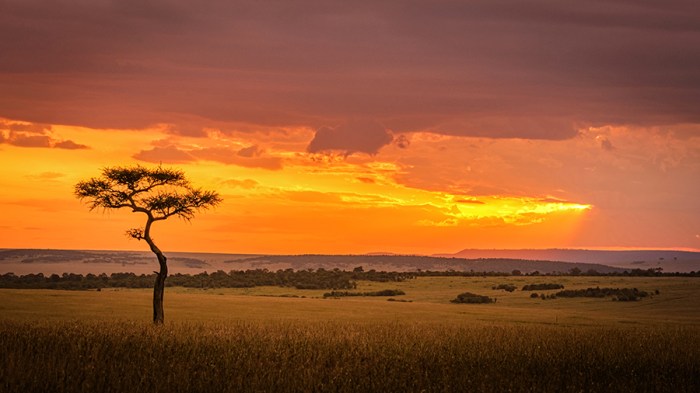
Introduction to Photography Workshops on Wildlife Safaris
Photography workshops on wildlife safaris offer a unique opportunity for photography enthusiasts to enhance their skills while capturing stunning images of wildlife in their natural habitats.
By combining photography with wildlife safaris, participants can immerse themselves in the beauty of nature and learn how to capture the essence and behavior of wild animals up close. These workshops provide a hands-on experience that allows photographers to sharpen their technical skills and artistic vision in a dynamic and challenging environment.
Benefits of Combining Photography with Wildlife Safaris
- Opportunity to capture rare and unique moments in the wild
- Enhancement of photography skills in challenging conditions
- Connection with nature and appreciation for wildlife conservation
- Creative inspiration from the diversity of wildlife and landscapes
Importance of Capturing Wildlife in its Natural Habitat
- Preserving the authenticity and beauty of wildlife
- Documenting natural behaviors and interactions
- Raising awareness about the importance of wildlife conservation
- Conveying the significance of biodiversity and ecosystems
Choosing the Right Photography Workshop: Photography Workshops On Wildlife Safaris
When selecting a photography workshop focused on wildlife safaris, it is essential to consider various factors to ensure a fulfilling and educational experience. Here are some tips to help you choose the best workshop:
Key Factors to Consider
- Expertise of Guides: Opt for workshops led by experienced wildlife photographers or guides who have extensive knowledge of the area and its inhabitants. They can provide valuable insights and help you capture stunning images.
- Small Group Size: Look for workshops that limit the number of participants to ensure personalized attention and guidance from instructors. This allows for a more intimate learning environment.
- Location and Wildlife Variety: Research the workshop’s destination to ensure it offers diverse wildlife species and picturesque landscapes for photography opportunities. Choose a location that aligns with your photographic interests.
- Educational Content: Check the workshop itinerary to see if it covers a range of photography techniques, such as composition, lighting, and post-processing. A well-rounded curriculum can enhance your skills and creativity.
- Equipment and Gear: Consider workshops that provide access to specialized photography equipment or offer guidance on the best gear to use for wildlife photography. This ensures you are well-prepared for capturing memorable shots.
Photography Techniques for Wildlife Safaris
When it comes to capturing stunning wildlife photographs during safaris, there are several essential techniques that can help you achieve great results. Understanding how to use lighting, composition, and techniques for photographing animals in motion is crucial for creating impactful images.
Essential Photography Techniques for Capturing Wildlife
- Focus on the eyes: Ensure that the eyes of the animals are sharp and in focus to create a connection with the viewer.
- Use a fast shutter speed: To capture animals in motion and freeze their movements, a fast shutter speed is essential.
- Predict animal behavior: Anticipating the movements and behavior of the wildlife can help you capture unique and interesting shots.
Use of Lighting and Composition in Wildlife Photography
- Golden hours: Take advantage of the soft, warm light during sunrise and sunset for beautiful and flattering lighting on your subjects.
- Rule of thirds: Apply the rule of thirds to compose your shots and create more visually appealing images.
- Leading lines: Use natural elements like trees or rivers to lead the viewer’s eye towards the main subject in your photograph.
Tips on How to Photograph Animals in Motion
- Panning technique: Follow the movement of the animal with your camera and use a slow shutter speed to create a sense of motion in your images.
- Burst mode: Utilize the burst mode on your camera to capture a series of images in quick succession, increasing your chances of getting a perfectly timed shot.
- Avoid using flash: Animals can be sensitive to sudden bursts of light, so it’s best to rely on natural lighting or adjust your camera settings accordingly.
Enhancing Wildlife Safari Experience through Photography
Photography plays a crucial role in enhancing the overall safari experience by capturing unforgettable moments and creating lasting memories that can be cherished for a lifetime.
Memorable Wildlife Photography Moments
- Witnessing a majestic lioness with her cubs playing in the golden light of the African sunset, capturing the raw beauty and essence of the wild.
- Capturing the precise moment a graceful cheetah leaps effortlessly across the savannah, showcasing the incredible speed and agility of these magnificent creatures.
- Freezing the split-second when a herd of elephants peacefully crosses a river, illustrating the harmony and interconnectedness of nature.
Creating Lasting Memories
- Through photography, we are able to immortalize the unique encounters and breathtaking landscapes we witness on safari, allowing us to relive those moments time and time again.
- Photography serves as a visual diary of our adventures, enabling us to share our experiences with loved ones and evoke the emotions and excitement of being in the heart of the wilderness.
- By capturing the intricate details of wildlife and their habitats, photography helps us appreciate the beauty and fragility of the natural world, inspiring us to protect and conserve these precious ecosystems.
Festival Travel
When it comes to combining wildlife safaris with festival travel, it opens up a whole new dimension of experiences for enthusiasts. Attending festivals can add a cultural element to the wildlife adventure, making the overall journey more enriching and diverse.
Connection between Wildlife Safaris and Festival Travel
Exploring the connection between wildlife safaris and festival travel allows travelers to immerse themselves in the local culture and traditions of the destinations they visit. The vibrant energy of festivals complements the serene beauty of wildlife safaris, creating a unique blend of experiences.
Benefits of Combining Festivals with Wildlife Safaris
- Enhanced Cultural Experience: Attending festivals provides insight into the local customs and traditions of the region, adding depth to the wildlife safari experience.
- Diverse Photography Opportunities: Festivals offer colorful and lively subjects for photography, allowing participants to capture unique moments alongside wildlife shots.
- Memorable Experiences: The combination of wildlife encounters and cultural festivities creates lasting memories that showcase the richness of the destination.
Examples of Festivals Combined with Wildlife Safaris
Some popular festivals that are often combined with wildlife safaris include:
- The Great Migration in Tanzania and Kenya:Witness the annual wildebeest migration in the Serengeti and Masai Mara regions, combined with cultural festivals celebrating local traditions.
- Ranthambore Festival in India:Experience the wildlife of Ranthambore National Park and attend the Ranthambore Festival showcasing art, music, and dance.
- Oktoberfest in Munich, Germany:Pair a European wildlife safari with the world-famous Oktoberfest for a blend of nature and cultural revelry.
Hiking Trails
When embarking on a wildlife safari, exploring the hiking trails can provide a unique and immersive experience in the natural habitat of various wildlife species. These trails offer a closer look at the flora and fauna, allowing for exceptional photography opportunities.
Importance of Hiking Trails in Wildlife Safari Destinations
- Provide access to remote areas: Hiking trails often lead to less frequented areas of the wildlife reserve, offering a chance to encounter more elusive wildlife.
- Opportunity for unique perspectives: Hiking allows photographers to capture wildlife from different angles and distances, creating diverse and captivating images.
- Enhance wildlife viewing experience: Walking through the trails allows for a deeper connection with nature and a better understanding of the ecosystem.
Unique Photography Opportunities on Hiking Trails
- Close-up shots of wildlife: Hiking trails enable photographers to get closer to animals in their natural habitat, resulting in intimate and detailed photos.
- Capturing natural behavior: By observing wildlife along the trails, photographers can document authentic moments of animal behavior without disturbing their natural routine.
- Landscape photography: Hiking through diverse terrains offers stunning landscape views that can complement wildlife shots, adding depth and context to the images.
Tips for Combining Hiking and Photography during a Safari
- Travel light: Carry only essential photography gear to ensure mobility and comfort during hikes.
- Be prepared: Pack water, snacks, and necessary safety equipment for long hikes in wildlife reserves.
- Stay patient: Wildlife sightings may require time and observation, so be prepared to wait for the perfect photographic moment.
- Respect nature: Follow designated trails, maintain a safe distance from wildlife, and leave no trace to preserve the environment for future visitors.
Travel Reviews
Travel reviews play a crucial role in helping travelers choose the right wildlife safari destinations. These reviews provide valuable insights and firsthand experiences that can significantly impact the decision-making process when planning a wildlife adventure.
Significance of Travel Reviews
- Travel reviews offer authentic feedback from fellow travelers who have visited the wildlife safari destinations.
- They provide information on the quality of accommodations, wildlife sightings, tour guides, and overall safari experience.
- Reviews help in setting realistic expectations and choosing destinations that align with individual preferences and interests.
Impact of Travel Reviews
- Positive reviews can boost confidence in selecting a particular wildlife safari destination, while negative reviews may indicate potential issues to consider.
- Travelers often rely on reviews to validate their choices and ensure a memorable and fulfilling safari experience.
- Reviews can influence the reputation of wildlife safari destinations and guide others in making informed decisions.
Sharing Personal Travel Experiences
- Sharing personal travel experiences through reviews is essential for helping others navigate the vast array of wildlife safari options available.
- By sharing detailed accounts of wildlife encounters, accommodations, and overall experiences, travelers can contribute to a collective knowledge base.
- Personal travel reviews can inspire others to explore new destinations, connect with nature, and create lasting memories through wildlife photography.
Travel Accessories
When embarking on a photography workshop on wildlife safaris, having the right travel accessories can make a significant difference in capturing stunning images of the wildlife. These accessories not only enhance your photography skills but also ensure a smooth and comfortable experience during the safari.
Camera Bag
A camera bag is essential for carrying your camera, lenses, and other photography gear safely during the safari. Look for a bag with enough padding to protect your equipment from bumps and shocks while on the move.
Tripod
A sturdy tripod is crucial for capturing sharp and steady images, especially in low light conditions or when using telephoto lenses. Consider a lightweight and compact tripod for easy transportation during the safari.
Lens Cleaning Kit
Keep your lenses and camera sensor clean throughout the safari with a lens cleaning kit. Dust and dirt can easily accumulate in the wild, affecting the quality of your photos. A kit with a blower, cleaning solution, and microfiber cloths is recommended.
Extra Batteries and Memory Cards
Don’t miss out on capturing amazing wildlife moments due to a dead battery or full memory card. Always carry extra batteries and memory cards to ensure you have enough power and storage for all your photography needs.
Weather Protection Gear
Protect your camera equipment from harsh weather conditions with weatherproof covers or sleeves. Rain, dust, and extreme temperatures can damage your gear, so it’s essential to have the necessary protection for your equipment.
Road Adventures
Road adventures are an exciting way to immerse yourself in the wilderness during wildlife safaris. These trips offer a unique opportunity to explore off-the-beaten-path locations, encounter wildlife up close, and capture stunning moments through photography.
Unique Photography Opportunities
Road trips provide photographers with the flexibility to stop at any moment and capture spontaneous wildlife sightings. This freedom allows for candid shots of animals in their natural habitats, creating authentic and memorable images. Additionally, the changing landscapes and lighting conditions along the journey offer a diverse range of subjects to photograph.
- Utilize the golden hours of sunrise and sunset for optimal lighting conditions.
- Experiment with different angles and perspectives to add depth to your photographs.
- Be prepared for unexpected encounters by keeping your camera easily accessible at all times.
Planning Road Adventures for Photography Workshops
When preparing for a road adventure during a photography workshop, it is essential to consider the logistics and safety of the trip. Plan your route in advance, research the wildlife hotspots along the way, and ensure you have the necessary equipment to capture stunning images.
- Check the weather conditions and road closures to avoid any disruptions during your journey.
- Pack extra camera batteries, memory cards, and lenses to be prepared for any photography opportunities that arise.
- Consider the comfort of your vehicle to ensure a smooth and enjoyable road trip experience.
Tropical Islands
Tropical islands offer a unique and breathtaking setting for wildlife safaris, combining lush landscapes with diverse ecosystems teeming with exotic animals.
Connection between Tropical Islands and Wildlife Safaris
When exploring tropical islands on a wildlife safari, visitors have the opportunity to witness a wide variety of species in their natural habitats, from vibrant birds to elusive marine life. The lush vegetation, crystal-clear waters, and sandy beaches create a picturesque backdrop for capturing stunning wildlife photography.
Showcasing Wildlife Beauty through Photography
- Utilizing the natural lighting and vibrant colors of tropical islands can enhance the beauty of wildlife photography, bringing out the intricate details of animals and their surroundings.
- Photographers can capture unique moments such as a colorful bird perched against a backdrop of palm trees or a sea turtle gracefully swimming in the clear waters, showcasing the diversity and splendor of wildlife on these islands.
- By focusing on composition and lighting techniques, photographers can create captivating images that not only document wildlife but also evoke a sense of wonder and appreciation for the natural world.
Combining Wildlife Photography with Tropical Island Exploration
Exploring tropical islands while engaging in wildlife photography allows for a multifaceted experience, blending adventure, creativity, and appreciation for nature. Whether trekking through rainforests, snorkeling in coral reefs, or observing rare species, each moment offers a new opportunity to capture the essence of island life through photography.
Travel Rewards
Participating in photography workshops on wildlife safaris can offer exciting travel rewards that enhance the overall safari experience. These rewards can range from exclusive access to wildlife photography hotspots to special guided tours led by expert photographers.
Potential Travel Rewards
- Opportunity to photograph rare and elusive wildlife species
- Access to restricted areas for unique photography angles
- Special workshops and seminars with renowned wildlife photographers
- Discounts on future photography workshops or safaris
Examples of Travel Rewards Programs
- Exclusive photo safaris with top wildlife photographers
- Priority booking for photography workshops in high-demand locations
- Complimentary photography gear rentals during the safari
- Invitations to photography exhibitions showcasing your work
Winter Getaways
Winter getaways offer a unique and captivating experience for wildlife photography enthusiasts. The snow-covered landscapes and the opportunity to capture animals in their winter habitat create a magical setting for photographers.
Unique Photography Opportunities in Winter Landscapes
Winter landscapes present photographers with a different perspective on wildlife. The contrast of white snow against the animals’ fur or feathers can result in stunning and visually striking images. Additionally, the scarcity of foliage in winter allows for clearer visibility of wildlife, making it easier to capture their natural behaviors.
- Experiment with the play of light on snow-covered landscapes to create captivating compositions.
- Focus on the textures and patterns created by snow and ice to add depth to your wildlife photographs.
- Utilize the winter color palette to enhance the mood of your images, from the cool blues and whites to the warm tones of sunrise and sunset.
Tips for Preparing for Winter Wildlife Photography Workshops
Winter photography workshops on safaris require careful planning and preparation to ensure a successful and comfortable experience for photographers.
- Invest in proper winter gear, including insulated clothing, waterproof boots, and hand warmers to stay warm and comfortable during long photography sessions.
- Protect your camera equipment from the cold by using camera covers, keeping spare batteries warm, and using a lens hood to prevent snowflakes from landing on your lens.
- Adjust your camera settings to account for the brightness of snow and ice, such as increasing exposure compensation to avoid underexposed images.
Camping Sites
Camping sites play a crucial role in wildlife safari destinations, offering a unique opportunity for photographers to immerse themselves in nature and capture stunning wildlife moments up close.
Significance of Camping Sites in Wildlife Safari Destinations, Photography workshops on wildlife safaris
Camping in wildlife safari destinations allows photographers to be closer to the action, providing a more intimate and authentic experience with the natural habitat and wildlife. The sounds of the wilderness, the sights of animals in their natural environment, and the feeling of being surrounded by nature all contribute to a truly immersive photography experience.
Immersive Wildlife Photography Experiences through Camping
- Camping allows photographers to be present during the best lighting conditions for wildlife photography, such as sunrise and sunset, when animals are most active.
- Being in the heart of the wilderness enables photographers to capture unique behaviors and interactions among wildlife that are not easily observed from a distance.
- The ability to stay overnight in the wild provides continuous opportunities for photography, including nocturnal animals and starry night skies.
Choosing the Best Camping Sites for Photography Workshops
- Consider proximity to wildlife hotspots: Choose camping sites near areas known for high wildlife activity to maximize photography opportunities.
- Facilities and safety: Opt for camping sites that offer necessary facilities like clean water, restrooms, and security to ensure a comfortable and safe experience.
- Guided camping tours: Join guided camping tours led by expert naturalists or photographers who can provide insights and guidance for capturing the best wildlife shots.
- Scenic surroundings: Select camping sites with picturesque landscapes and diverse wildlife species to enhance the overall photography workshop experience.
Local Cuisine
Local cuisine plays a significant role in enhancing the overall wildlife safari experience. The food experiences during safaris not only provide nourishment but also offer a cultural insight into the region being explored. In the context of photography workshops on wildlife safaris, local cuisine can complement the learning process by immersing participants in the authentic flavors of the destination, thus enhancing their overall experience.
Examples of Local Cuisines Enjoyed During Wildlife Safaris
- South Africa: In South African wildlife reserves, visitors often enjoy traditional dishes such as Braai (barbecue), Biltong (dried cured meat), and Bobotie (a spiced minced meat dish).
- Kenya: When on a safari in Kenya, travelers can savor Nyama Choma (roasted meat), Ugali (a staple made from maize flour), and Sukuma Wiki (collard greens).
- India: Wildlife safaris in India offer a taste of local delicacies like Tandoori dishes, Biryani (flavored rice with meat or vegetables), and Masala Chai (spiced tea).
- Costa Rica: In Costa Rica, participants can enjoy Gallo Pinto (rice and beans), Casado (a typical lunch plate with rice, beans, plantains, salad, and a choice of meat), and Tres Leches (a sponge cake soaked in three kinds of milk).
Wildlife Safaris
When it comes to photography destinations, wildlife safaris offer a unique experience that allows photographers to capture stunning images of various wild animals in their natural habitats. The thrill of encountering majestic creatures up close and the challenge of capturing the perfect shot make wildlife safaris a popular choice for photographers looking to expand their portfolio.Delve into the diverse world of wildlife species that can be captured through photography on safari.
From the iconic big cats like lions, leopards, and cheetahs to the gentle giants like elephants and giraffes, each animal presents a unique photography opportunity. Birds, reptiles, and other fascinating creatures also add to the excitement of wildlife safaris, providing ample subjects for photographers to focus on.
Maximizing Photography Opportunities
- Research the wildlife species in the area beforehand to understand their behavior and habitats, increasing your chances of capturing unique shots.
- Invest in quality camera gear, including telephoto lenses and tripods, to ensure you are prepared for any photographic situation that may arise.
- Practice patience and be prepared to spend time observing wildlife to capture their natural behaviors and interactions.
- Utilize natural lighting to your advantage, such as during the golden hours of sunrise and sunset, to enhance the mood and atmosphere of your wildlife photographs.
- Experiment with different angles, compositions, and camera settings to create visually striking and dynamic images that stand out.
Travel Vlogs
Travel vlogs have gained immense popularity in recent years, offering viewers a glimpse into unique travel experiences, including wildlife safaris and photography workshops. These vlogs not only showcase stunning visuals of exotic locations but also provide valuable insights and tips for fellow travelers looking to embark on similar adventures.
Exploring Wildlife Safari Vlogs
- Many travel vloggers capture their exhilarating wildlife safari experiences, from close encounters with majestic animals to breathtaking landscapes.
- These vlogs often feature behind-the-scenes footage of photography workshops, offering a sneak peek into the techniques and equipment used to capture stunning wildlife shots.
- Viewers are not only entertained but also educated on the importance of conservation and responsible tourism through these vlogs.
Inspiring Others through Vlogs
- Travel vlogs have the power to inspire others to step out of their comfort zones and explore new destinations, including wildlife safaris.
- By sharing personal experiences and showcasing the beauty of nature through vlogs, creators motivate their audience to seek similar adventures and create lasting memories.
- Viewers often feel a sense of wanderlust and curiosity after watching these vlogs, prompting them to plan their own wildlife safari trips.
Creating Engaging Wildlife Photography Vlogs
- To create engaging wildlife photography vlogs, vloggers should focus on storytelling, capturing candid moments, and sharing practical photography tips.
- Including informative commentary, showcasing unique perspectives, and editing the footage creatively can enhance the overall viewing experience for the audience.
- Engagement with viewers through interactive elements, such as Q&A sessions or live chats, can further increase the appeal of wildlife photography vlogs.
Car Rentals
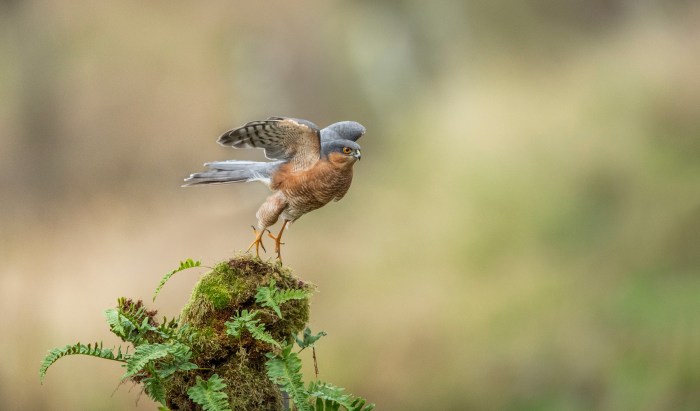
When it comes to exploring wildlife safari destinations, car rentals offer a convenient and flexible way to navigate through the vast landscapes and spot unique wildlife. Having a rental car for photography workshops can provide photographers with the freedom to move around at their own pace and capture stunning shots of animals in their natural habitat.
Benefits of Car Rentals for Wildlife Safari Photography
- Rental cars allow photographers to access remote areas that may not be easily reachable by public transportation, increasing the chances of encountering rare wildlife species.
- Photographers can control their schedule and spend more time observing animal behavior and waiting for the perfect shot without being limited by group tours or fixed itineraries.
- The flexibility of having a rental car enables photographers to chase the best lighting conditions, follow animal migrations, and explore off-the-beaten-path locations for unique photography opportunities.
Tips for Choosing the Right Vehicle for Wildlife Photography Trips
- Opt for a 4×4 vehicle with good ground clearance and sturdy tires to navigate through rough terrains and unpaved roads commonly found in wildlife reserves.
- Consider the size of the vehicle based on the equipment you will be carrying, ensuring there is enough space for camera gear, tripods, and other photography essentials.
- Look for a vehicle with large windows or a sunroof that can be opened for unobstructed views and easy photography from the comfort of the car.
- Prioritize safety features such as airbags, antilock brakes, and stability control systems to ensure a secure and smooth driving experience during wildlife photography expeditions.
Scenic Routes
Scenic routes play a crucial role in enhancing the overall wildlife safari experience, providing unique opportunities for photographers to capture the beauty of nature in its purest form.
Importance of Scenic Routes
- Scenic routes offer breathtaking views of landscapes, allowing photographers to create stunning compositions that showcase the natural beauty of the surroundings.
- Driving through scenic routes immerses travelers in the wilderness, providing a sense of serenity and connection with nature that can be reflected in their photography.
- Capturing images along scenic routes adds depth and context to the wildlife safari experience, highlighting the journey as much as the destination.
Unique Photography Opportunities
- Scenic routes present ever-changing lighting conditions and natural elements that can result in dynamic and captivating photographs.
- Wildlife sightings along scenic routes offer spontaneous chances to photograph animals in their natural habitat, creating authentic and memorable images.
- Utilizing leading lines and framing techniques along scenic routes can enhance composition and draw viewers into the photograph, evoking a sense of adventure and exploration.
Capturing the Beauty of Scenic Routes
- Experiment with different camera settings to adapt to varying light conditions and capture the essence of the scenery along scenic routes.
- Include elements of the road, such as winding paths or colorful foliage, in your photographs to convey a sense of movement and depth within the image.
- Utilize wide-angle lenses to capture expansive views and showcase the grandeur of the landscapes surrounding the scenic route.
Weekend Getaways
Weekend getaways are a great option for wildlife photography enthusiasts looking to have a quick but impactful photography experience. These short trips can provide an opportunity to capture stunning wildlife shots and immerse yourself in nature without the need for a long-term commitment.
Benefits of Weekend Getaways for Wildlife Photography Enthusiasts
- Weekend getaways allow photographers to explore new locations and wildlife habitats without taking time off work or disrupting their daily routine.
- These short trips can be a cost-effective way to enhance your photography skills and portfolio, as they require less planning and resources compared to longer expeditions.
- By participating in weekend getaways, photographers can stay motivated and inspired by regularly engaging with their passion for wildlife photography.
- Weekend trips offer a quick escape from the hustle and bustle of city life, providing a refreshing break in natural surroundings that can boost creativity and productivity.
Tips for Planning Successful Weekend Getaways for Photography Workshops
- Choose a destination that is easily accessible and offers a variety of wildlife species to photograph, ensuring a fruitful photography experience.
- Research the best time of year to visit the location for optimal wildlife sightings and lighting conditions, maximizing your chances of capturing stunning images.
- Pack light but essential photography gear to avoid being weighed down during your short trip, focusing on versatile equipment that meets your specific photography needs.
- Plan your itinerary in advance, including wildlife hotspots, photography workshops, and accommodation options to make the most of your limited time on the weekend getaway.
Answers to Common Questions
What should I consider when choosing a photography workshop on wildlife safaris?
It’s important to look for experienced guides, consider the workshop’s focus, and ensure it aligns with your skill level and interests.
How can photography enhance the overall safari experience?
Photography allows you to capture the beauty of wildlife and create lasting memories that you can cherish for years to come.
Are there any specific accessories I should bring to a photography workshop on wildlife safaris?
Essential accessories include a sturdy camera bag, tripod, extra batteries, and lenses suitable for wildlife photography.


